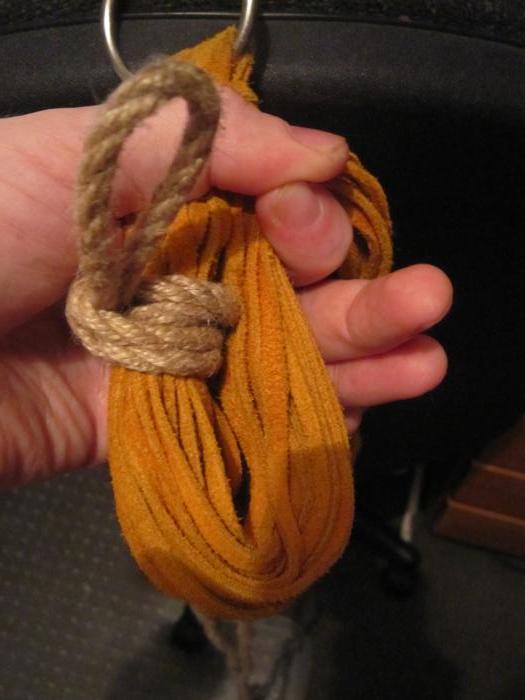
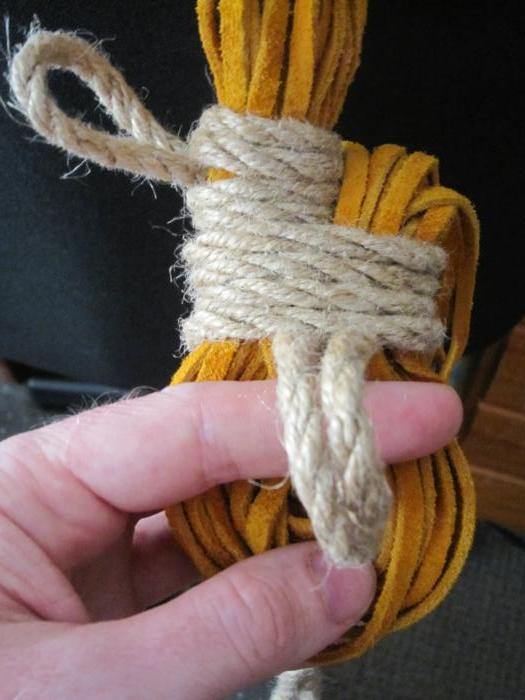
Roping can harm. It is simple and there is much literature out and about all the possible ways in which it can happen. I do play in public at events where I have only just met someone ... so I will run through my approach.
My approach is to direct the scene to minimise the risk of harm and the list below is by no where complete but in the rough order I see as most risk if not addressed.
Responsibility - its a rope tops obligation to take responsibility for the safety and positive experience that is a rope scene. This includes good are of your equipment and making your rope bottom risk aware. It also requires you to attain a certain level of proficiency in rope and knowledge of safety aspects.
Soberity - its basically asking for trouble if a bottom is not sober enough to drive. Given I think one beer is too much for most to be behind the wheel gives you how I rather play. It impares judgement and sensation for the rope bottom which only leads to trouble.
Experience - check for a rope bottoms experience and any issues or difficulties in past rope scenes. I usually run through the basic form of the bondage to check for any physical restrictions in the planned positioning of the bottom due to flexibility or injury. As a general rule I do not suspend someone until I get to know them (yes I did learn the hard way ...). Floor scenes often are quite fun anyhow.
Intimacy - always establish the limits of intimacy as not to cross ones boundaries. I have encountered the strangest taboos ... "don't touch my throat/ears/feet/bum or I will drop out of scene and most likely try and kill you!". Being male I sometimes forget ... consider what your bottom is wearing as it could get damaged, crumpled or pick up fluff.
Equipment Failure - the biggest risk of equipment failure is incorrect utilisation and application. The long and the short of it is that humans make mistakes. Be cautious. Double check. Have a mate check your setup. Know how to use your kit and its capability. My preference is to use climbing rated hardware although I do use some marine grade hardware where I work within 5-10 times the device load capacity. I do not use equipment that is not load rated.
Allergies or Asthma - I always check for any alergies to grass or hemp or things that can bring on a asthma attack. I usually check for
any reason I might need to get someone out of a tie quickly and establish how she will indicate 911 get me out now! I always have my
rescue hook on my person. This is when I usually ask if the bottom has
any health problems I should know about including the obvious infectious diseases, heart problems, diabetes, etc. The bottom does need to inform as part of their risk mitigation.
Rope Marks - always check if the bottom has been marked before, problems with excessive bruising or have issues with being left with visible marks after a scene.
Communication - always check how your rope bottom is traveling particularly if you are not familiar with tying them up. Yes its not always the best scene but neither is harming a bottom. As familiarity and skill build this can be moderated to the level required. Always remember communication is a two way street and as much the responsibility of the rope bottom.
Circulation - I will not repeat what many others more learned then myself have already posted. Its your responsibility to be aware of the risk of cutting circulation and how to detect it before it become an issue for your bottom. Easy way to check is to feel the bottoms skin (most often hands) to see if they are clammy or cold. The bottom will sometimes experience pins and needles.
Nerve Pinching - I will not repeat what many others more learned then myself have already posted. Its your responsibility to be aware of the risk of the possibility and consequences of nerve damage. It is also your responsibility to tie in a way that minimises these risks. Basic risk avoidance are not being tight over skinny bits such as joints (elbows, knees, wrists, neck, etc), pressure points (shoulders, genitals,etc) and position of vulnerable nerves such as the sciatic nerve.
Now you might ask why is circulation and nerve pinching last on my list. For a few reasons.
- If you do know what you are doing there is a low chance of occurrence.
- The risk minimising above usually mitigates unexpected problems.